

Request an Appointment or Give us a call
Ankle Sprain Treatment in Marylebone, London
Specialist Assessment and Treatment for Ankle Sprains and Ligament Injuries
An ankle sprain can happen suddenly when you twist, roll, or awkwardly land on your foot, causing pain, swelling, bruising, and difficulty walking. While many ankle sprains improve with appropriate conservative treatment, persistent pain or repeated ankle injuries may indicate ligament damage or ongoing instability that requires specialist assessment.
Dr. Rohit Madhav is a Consultant Orthopaedic Surgeon specialising in foot and ankle conditions and sports injuries. He provides specialist ankle sprain treatment in Marylebone, London, with care tailored to the severity of your injury, your activity level, and your recovery goals.
Whether you have recently injured your ankle during sport or continue to experience instability after an earlier sprain, Dr. Madhav can assess the injury and recommend an appropriate treatment and rehabilitation plan designed to support recovery and help you safely return to everyday activities and exercise.
What is an Ankle Sprain?
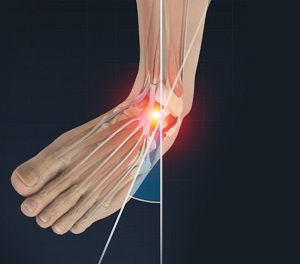
A sprain is the stretching or tearing of ligaments. Ligaments connect adjacent bones and provide stability to a joint. An ankle sprain is a common injury that occurs when you suddenly fall or twist the ankle joint, or when you land your foot in an awkward position after a jump. Most commonly, it occurs when you participate in sports, or jump or run on a surface that is irregular.
What are the Symptoms of an Ankle Sprain?
Ankle sprains can cause pain, swelling, tenderness, bruising, stiffness, and inability to walk or bear weight on the ankle.
How are Ankle Sprains Diagnosed?
The diagnosis of an ankle sprain is usually made by evaluating the history of the injury and through a thorough physical examination of the ankle. X-ray(s) of your ankle may be ordered by your doctor to determine the presence of a fracture.
What are the Treatment Options for Ankle Sprains?
The most common treatment recommended for ankle sprains is rest, ice, compression and elevation (RICE).
- Rest: You should not move or use the injured foot to reduce pain and prevent further damage. Crutches may be ordered to limit weight-bearing while walking.
- Ice: An ice-pack should be applied over the injured area for up to 3 days after the injury. You can use a cold pack or crushed ice wrapped in a towel. Never place ice directly over your skin. Ice packs help to reduce swelling and relieve pain.
- Compression: Compression of the injured area helps to reduce swelling and bruising. This is usually accomplished by using an elastic wrap for a few days or weeks after the injury.
- Elevation: Place the injured ankle above your heart level for about 2 to 3 hours a day to reduce swelling.
Your doctor may also apply a brace or splint to reduce motion of the ankle. Anti-inflammatory pain medications may be prescribed to help reduce pain and control inflammation.
What is the Rehabilitation for an Ankle Sprain?
During your recovery, rehabilitation exercises are recommended to strengthen and improve range of motion in your foot. You may need to wear a brace or wrap to support and protect your ankle during sports activities. Avoid pivoting and twisting movements for 2 to 3 weeks. To prevent further sprains or recurrence of injury, you may need to wear a semi-rigid ankle brace during exercise, special wraps, and high-top lace shoes.
Why Choose Dr. Rohit Madhav for Ankle Sprain in Marylebone, London?
Choosing an experienced foot and ankle specialist can be particularly important when an ankle sprain causes significant pain, persistent swelling, difficulty bearing weight, or repeated episodes of instability. Dr. Rohit Madhav is a Consultant Orthopaedic and Trauma Surgeon with specialist expertise in foot and ankle conditions and sports injuries.
Dr. Madhav begins with a detailed assessment of your injury, symptoms, ankle stability, and functional limitations. Where necessary, diagnostic imaging may be recommended to identify fractures or associated injuries. Treatment is then tailored to the severity of the sprain and your individual needs.
Many ankle sprains can be managed without surgery through appropriate protection, activity modification, rehabilitation, and gradual return to activity. For patients with ongoing instability or more significant ligament injuries, further treatment may be considered.
Why Patients in London Choose Dr. Rohit Madhav
- Specialist expertise in foot and ankle conditions
- Experience treating sports-related ankle injuries
- Thorough assessment of ankle sprains and ligament damage
- Individualised treatment plans based on injury severity
- Appropriate diagnostic imaging when clinically required
- Focus on rehabilitation, stability, and safe return to activity
- Guidance for preventing recurrent ankle sprains
- Specialist foot and ankle care in Marylebone, Central London
From initial assessment through rehabilitation, Dr. Madhav provides personalised guidance to help you understand your injury and make informed decisions about your recovery.
Schedule a consultation in Marylebone, London, to discuss your ankle sprain and treatment options.
Ankle Sprain FAQs
How do I know if I have an ankle sprain?
Common symptoms include pain, swelling, bruising, tenderness, stiffness, and difficulty walking or putting weight on the affected ankle. The severity of symptoms can vary depending on the extent of ligament injury. A specialist assessment can help determine whether you have a sprain or another injury, such as a fracture.
How is an ankle sprain diagnosed?
Diagnosis usually involves discussing how the injury occurred and performing a physical examination of the ankle. Your doctor may assess tenderness, swelling, range of motion, and ankle stability. X-rays or other imaging may be recommended when a fracture or additional injury needs to be ruled out.
Can an ankle sprain heal without surgery?
Yes. Many ankle sprains can be treated without surgery. Depending on the injury, treatment may include rest, activity modification, ice, compression, elevation, bracing, pain relief, and a structured rehabilitation programme. More significant injuries or persistent instability may require further specialist treatment.
How long does it take for an ankle sprain to heal?
Recovery depends on the severity of the ligament injury and your overall health and activity level. Mild sprains may improve relatively quickly, while more severe sprains can require several weeks or longer to recover. A gradual rehabilitation programme can help restore movement, strength, balance, and ankle stability.
Can an ankle sprain cause long-term problems?
Some ankle sprains can lead to ongoing pain, weakness, reduced range of motion, or chronic ankle instability, particularly if the injury does not fully recover or repeated sprains occur. Appropriate rehabilitation and gradual return to sport can help reduce the risk of recurrent injury.
When should I see a specialist for an ankle sprain?
Specialist assessment may be appropriate if you cannot bear weight, have severe swelling or pain, suspect a fracture, experience repeated ankle sprains, or continue to have pain or instability after the initial injury has healed. Early assessment can help identify associated injuries and guide appropriate treatment.
Specialist Ankle Sprain Treatment in Marylebone, London
An ankle sprain does not always heal properly on its own. Persistent pain, swelling, weakness, or repeated ankle instability can affect your ability to walk, exercise, work, and participate in sport.
Dr. Rohit Madhav provides specialist assessment and personalised treatment for ankle sprains and other foot and ankle injuries in Marylebone, London. Whether you need conservative treatment, rehabilitation guidance, or further investigation of a persistent ankle problem, he can help determine the most appropriate next step.
Contact Dr. Rohit Madhav's Marylebone clinic today to schedule a consultation and take the next step towards a stronger, more stable ankle.