
Request an Appointment or Give us a call
Bunionette (Tailor's Bunion) Treatment in Marylebone, London
Specialist Care for Painful Bunionettes and Little Toe Deformities
A bunionette, commonly called a Tailor's bunion, is a bony prominence that develops on the outside of the foot at the base of the little toe. Pressure from footwear can cause the area to become painful, swollen, red, or irritated, making it difficult to wear certain shoes or walk comfortably.
Dr. Rohit Madhav is a Consultant Orthopaedic Surgeon specialising in foot and ankle conditions and provides specialist Bunionette treatment in Marylebone, London. He can assess the underlying structure of your foot and determine whether your symptoms can be managed with conservative measures or whether surgical correction may be appropriate.
Treatment may include footwear modification, protective padding, orthotics, activity modification, and other non-surgical measures. For persistent pain or significant deformity that does not respond to appropriate conservative care, surgery may be considered to correct the alignment of the fifth metatarsal and relieve pressure on the affected area.
What is Bunionette (Tailor’s Bunion)?
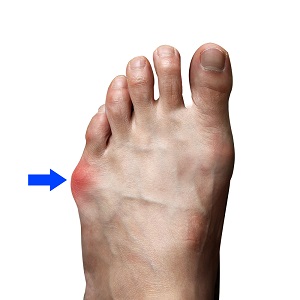
Bunionette, also called Tailor’s bunion, is a bony lump formed along the outside of the little toe at the base. It occurs when the very bottom bone (fifth metatarsal bone) of the little toe enlarges or shifts outward. Sometimes, it can be a bony spur (an outgrowth of bone) on the side of the fifth metatarsal bone head.
Causes of Bunionette (Tailor’s Bunion)
There are several factors, both extrinsic or intrinsic, that can cause a bunionette, including:
- Improper footwear, such as poor or tight fitting and high-heeled shoes (extrinsic).
- Abnormal or faulty little toe due to congenital factors (intrinsic).
- Below normal position of the fifth metatarsal bone.
- Inverted foot (the foot that leans to the outside).
- Loose ligaments in the foot.
- Tight calf muscles.
Tailor's Bunion occurs more often in women than in men.
Signs and Symptoms of a Bunionette
Bunionettes may start out small but can grow larger with time. Swelling with redness and pain at the site of the lump is the main symptom of the condition. The symptoms are felt more when the affected part rubs against a shoe or anything that it comes into contact.
What if the Condition is Left Untreated?
If Tailor’s Bunion is left untreated, the lump can increase in size over time and cause more pain making walking extremely difficult. Chronic rubbing of the lump against footwear can lead to redness in the skin and result in irritation or even skin callus (thickened skin).
Diagnosis of a Bunionette (Tailor’s Bunion)
Your doctor can diagnose a Tailor’s Bunion just by looking at the foot as the lump is visually apparent. However, an X-ray may be needed to determine the exact cause and extent of the deformity.
Treatment of a Bunionette (Tailor’s Bunion)
Typically, non-surgical options are the first choice of treatment for a Tailor’s bunion. The surgeon may try out any or a combination of the following to treat the condition.
- Wear a shoe with a wider toe box and avoid narrow and pointed shoes with high heels.
- Apply silicone padding and/or cushioning over the Tailor’s Bunion to relieve pain.
- Wrap ice dressings to the affected area for 5 to 10 minutes up to 3 times per day.
- Take nonsteroidal anti-inflammatory drugs (NSAIDs) to reduce swelling and pain.
- Use orthotic devices in combination with calf stretches two times per day.
Additionally, if the condition does not improve, the doctor may consider corticosteroid injections to the little toe joint to reduce swelling and inflammation. All of these options, however, can help relieve the pain but cannot get rid of the lump.
If the pain and swelling do not go away, surgery can be considered. Bunionette surgery is normally performed as an outpatient procedure. Under anaesthesia, the surgeon may shave off the bony tissue that is sticking out. A part of the bone in the little toe may also be removed (osteotomy). This is done to realign the fifth metatarsal bone and straighten out the toe so that it does not point outwards. The repositioned bone will be held in place with a screw or a plate, or a piece of steel wire.
After the surgery, your surgeon may recommend physical therapy and necessary rehabilitation protocols as a part of the recovery process. The length of recovery period may be quite long (three months to a year) and may vary depending on the procedure, activity level, and other factors.
Occasionally, a Tailor’s Bunion can recur after surgery. Often, this can be attributed to the use of narrow shoes after surgery, which makes the bunionette more likely to come back.
Why Choose Dr. Rohit Madhav for Bunionette (Tailor's Bunion) in Marylebone, London?
Choosing an experienced foot and ankle specialist is important when a Tailor's bunion causes persistent pain, footwear problems, or difficulty walking. Dr. Rohit Madhav is a Consultant Orthopaedic and Trauma Surgeon with specialist expertise in foot and ankle conditions, including bunions, bunionettes, and other forefoot deformities.
Dr. Madhav begins with a detailed assessment of your symptoms, foot structure, footwear requirements, and activity levels. An X-ray may be recommended to assess the alignment of the fifth metatarsal and understand the nature and severity of the deformity.
Treatment is tailored to your individual circumstances. Many bunionettes can initially be managed with wider footwear, protective padding, orthotics, and other conservative measures. If pain continues despite appropriate non-surgical treatment, Dr. Madhav can discuss whether surgical correction may be suitable.
Why Patients in London Choose Dr. Rohit Madhav
- Specialist expertise in foot and ankle conditions
- Experience treating bunions, bunionettes, and forefoot deformities
- Comprehensive assessment of painful Tailor's bunions
- Appropriate diagnostic imaging when clinically indicated
- Individualised treatment based on symptoms and foot structure
- Focus on non-surgical treatment where appropriate
- Expertise in surgical correction when required
- Personalised postoperative rehabilitation and recovery guidance
- Specialist foot and ankle care in Marylebone, Central London
Dr. Madhav provides personalised care from initial assessment through treatment, recovery, and rehabilitation, helping patients make informed decisions about their foot health.
Schedule a consultation in Marylebone, London, to discuss your Bunionette and treatment options.
Bunionette (Tailor's Bunion) FAQs
What causes a Tailor's bunion?
A Tailor's bunion can develop due to the structure and alignment of the foot, including the position of the fifth metatarsal. Footwear that is tight or narrow around the toes can increase pressure and irritation around the prominence. Foot mechanics, ligament laxity, and other structural factors may also contribute.
What are the symptoms of a Bunionette?
A bunionette may cause a visible bump on the outside of the foot near the base of the little toe. Symptoms can include pain, swelling, redness, tenderness, and irritation caused by footwear rubbing against the prominence. Calluses or thickened skin may also develop from repeated pressure.
Can a Tailor's bunion be treated without surgery?
Yes. Non-surgical treatment is generally considered first. Wearing shoes with a wider toe box, using protective padding, modifying activities, using appropriate orthotics, and managing inflammation may help reduce pain and pressure. These measures may improve symptoms but do not necessarily correct the underlying bony deformity.
When is Bunionette surgery considered?
Surgery may be considered when a Tailor's bunion causes persistent pain, difficulty wearing shoes, or functional problems despite appropriate conservative treatment. The specific procedure depends on the location and severity of the deformity and may involve reshaping or realigning the fifth metatarsal.
What happens during Bunionette surgery?
Depending on the deformity, surgery may involve removing or reshaping the bony prominence and performing an osteotomy to realign the fifth metatarsal. Fixation using a screw, plate, or other appropriate device may be used to maintain the corrected position while the bone heals.
Can a Tailor's bunion come back after surgery?
Recurrence is possible following bunionette surgery. The risk can depend on the underlying foot structure, the surgical correction performed, healing, and footwear choices. Following postoperative instructions and choosing appropriate footwear can help support long-term results.
Specialist Bunionette Treatment in Marylebone, London
A painful Tailor's bunion can make walking, standing, and wearing everyday shoes uncomfortable. If the bump on the outside of your foot is becoming increasingly painful or continues to cause problems despite changing your footwear, specialist assessment can help determine the most appropriate treatment.
Dr. Rohit Madhav provides specialist assessment and personalised treatment for bunionettes and other foot and ankle conditions in Marylebone, London. Whether you need conservative care or are considering surgical correction for persistent symptoms, Dr. Madhav can help you understand your options.
Contact Dr. Rohit Madhav's Marylebone clinic today to schedule a consultation and take the next step towards relieving Bunionette pain and improving comfortable foot function.