
Request an Appointment or Give us a call
Heel Pain Treatment in Marylebone, London
Specialist Diagnosis and Treatment for Persistent Heel Pain
Heel pain can make every step uncomfortable and interfere with walking, exercise, work, and everyday activities. Because heel pain can have many causes, including plantar fasciitis, Achilles tendon disorders, bursitis, heel spurs, fractures, and nerve-related conditions, identifying the underlying problem is an important first step towards effective treatment.
Dr. Rohit Madhav is a Consultant Orthopaedic Surgeon specialising in foot and ankle conditions and provides specialist heel pain treatment in Marylebone, London. He takes a comprehensive approach to diagnosis, considering your symptoms, medical history, activity level, footwear, and physical examination findings to identify the likely source of your pain.
Treatment depends on the underlying cause and may include activity modification, appropriate footwear, physiotherapy, medication, targeted treatments, or surgery for selected conditions. Dr. Madhav provides personalised recommendations designed to help reduce pain and restore comfortable foot and ankle function.
Heel Anatomy
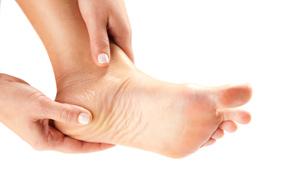
The heel is made up of the calcaneus bone and supported by a network of muscles, tendons, ligaments and soft tissues, which together support the weight of the body and stress during movement.
What is Heel Pain?
Heel pain is a common symptom of excessive strain placed on the structures that form the heel.
What are the Causes of Heel Pain?
Heel pain can be caused by obesity, abnormal walking style, standing or walking or running on hard surfaces and wearing ill-fitting shoes. Some of the conditions related to heel pain include:
- Plantar fasciitis: inflammation of the ligament that connects the heel bone to the toes
- Bursitis: swelling of a bursa (fluid-filled sac) at the back of the heel
- Achilles tendinitis: swelling of the Achilles tendon that connects the calf muscle and heel bone
- Bone spurs: extra growth of bone
- Calcaneus fracture: fracture of the heel bone
- Haglund’s deformity: bone enlargement at the back of the heel
- Tarsal tunnel syndrome: compression of nerves at the back of the foot
- Rheumatoid arthritis: autoimmune disease of the joints
What are the Types of Heel Pain?
Heel pain may be felt under or behind the heel, typically during walking, jogging and running. It may be sharp and stabbing when you first stand up early in the morning or when you get up after sitting for long hours. Pain may also be associated with swelling, inflammation, numbness and/or a tingling sensation.
How is Heel Pain Diagnosed?
The cause of the heel pain is diagnosed by studying your medical history and performing a thorough physical examination of your heel, observing and feeling for signs of swelling and tenderness. Your doctor may order blood tests and imaging studies (X-ray, CT or MRI scans) to confirm on the diagnosis.
What are the Treatment Options for Heel Pain?
The treatment of heel pain completely relies on the causes. The conventional treatments include:
- Rest from activities that cause stress on the heel
- Applying ice packs over a towel to the area to help reduce pain and inflammation
- Regular exercise and foot massage
- Wearing proper shoes, heel cups, professional heel straps, and night splints
- Corticosteroid injections
- Extracorporeal shockwave therapy (EST), where high-energy soundwaves are delivered to treat nerve problems
- Anti-inflammatory medication (topical or oral)
- Surgery in cases of heel spurs, bursitis and fractures of the heel bone
How can you Prevent Heel Pain?
The following are a few steps to avoid heel pain:
- Wear properly fitted shoes.
- Reduce your weight if you are overweight or obese.
- Use shoe inserts.
Why Choose Dr. Rohit Madhav for Heel Pain in Marylebone, London?
Choosing an experienced foot and ankle specialist can help identify the cause of persistent heel pain and determine the most appropriate treatment. Dr. Rohit Madhav is a Consultant Orthopaedic and Trauma Surgeon with specialist expertise in foot and ankle conditions, including problems affecting the heel, Achilles tendon, and surrounding structures.
Because heel pain can result from different conditions, Dr. Madhav begins with a detailed assessment rather than treating the symptom alone. Your medical history, symptoms, physical examination, and activity levels are considered, with imaging or other investigations recommended when clinically appropriate.
Treatment is tailored to the underlying cause and may involve conservative measures, rehabilitation, or further intervention when necessary. The aim is to address the source of your heel pain while helping you return to comfortable movement and your usual activities.
Why Patients in London Choose Dr. Rohit Madhav
- Specialist expertise in foot and ankle conditions
- Experience diagnosing different causes of heel pain
- Comprehensive assessment of persistent heel and foot symptoms
- Individualised treatment plans based on the underlying condition
- Appropriate diagnostic imaging when clinically required
- Consideration of non-surgical and surgical treatment options
- Personalised rehabilitation and recovery guidance
- Specialist foot and ankle care in Marylebone, Central London
From your first consultation through treatment and recovery, Dr. Madhav provides clear guidance to help you understand the cause of your heel pain and make informed decisions about your care.
Schedule a consultation in Marylebone, London, to discuss your heel pain and treatment options.
Heel Pain FAQs
What are the most common causes of heel pain?
Heel pain can have many causes. Common conditions include plantar fasciitis, Achilles tendinopathy, bursitis, heel spurs, stress or traumatic fractures, Haglund's deformity, and nerve-related conditions. The appropriate treatment depends on identifying the specific cause of your symptoms.
When should I see a specialist for heel pain?
You should consider specialist assessment if heel pain persists despite appropriate self-care, interferes with walking or daily activities, repeatedly returns, or is accompanied by significant swelling, numbness, weakness, or difficulty bearing weight. Sudden severe pain following an injury should also be assessed promptly.
How is heel pain diagnosed?
Diagnosis generally begins with a review of your symptoms and medical history, followed by a physical examination of the foot, ankle, and heel. Depending on the suspected cause, your doctor may recommend imaging such as X-rays, ultrasound, CT, or MRI.
Can heel pain be treated without surgery?
Many causes of heel pain can initially be managed without surgery. Depending on the diagnosis, treatment may include activity modification, appropriate footwear, stretching and strengthening exercises, physiotherapy, orthotics or other foot supports, medication, or selected injections and other treatments.
How long does heel pain take to improve?
Recovery depends on the underlying condition, how long you have experienced symptoms, and the treatment required. Some causes improve within weeks, while chronic conditions can take longer to settle. Following your treatment and rehabilitation plan can support recovery.
Can heel pain be prevented?
Some types of heel pain may be reduced by wearing properly fitted, supportive footwear, gradually increasing physical activity, maintaining a healthy body weight, addressing muscle tightness or weakness, and using appropriate foot supports when recommended. If you have recurring heel pain, identifying and addressing the underlying cause can also help reduce recurrence.
Specialist Heel Pain Treatment in Marylebone, London
Persistent heel pain can affect more than just your feet. It can change the way you walk and make exercise, work, and everyday activities increasingly difficult. If your heel pain is not improving or continues to return, specialist assessment can help identify the underlying cause and determine the most appropriate treatment.
Dr. Rohit Madhav provides specialist assessment and personalised treatment for heel pain and a wide range of foot and ankle conditions in Marylebone, London.
Whether your symptoms are related to plantar fasciitis, Achilles tendon problems, a heel spur, bursitis, or another condition, Dr. Madhav can help you understand your diagnosis and explore appropriate treatment options.
Contact Dr. Rohit Madhav's Marylebone clinic today to schedule a consultation and take the next step towards relieving heel pain and restoring comfortable movement.