

Request an Appointment or Give us a call
Plantar Fasciitis Treatment in Marylebone, London
Specialist Care for Persistent Heel Pain and Plantar Fascia Problems
Plantar fasciitis is one of the most common causes of heel pain and can make the first steps in the morning, prolonged standing, walking, and exercise uncomfortable. Persistent pain at the bottom of the heel can interfere with work, sport, and everyday activities, particularly for people who spend long periods on their feet.
Dr. Rohit Madhav is a Consultant Orthopaedic Surgeon specialising in foot and ankle conditions and provides specialist plantar fasciitis treatment in Marylebone, London. He can assess your symptoms and identify factors that may be contributing to your heel pain, including foot structure, activity levels, footwear, and other underlying conditions.
Treatment for plantar fasciitis is usually non-surgical and may include activity modification, appropriate footwear, orthotics, stretching and strengthening exercises, physiotherapy, and other targeted treatments. For persistent symptoms that do not respond to appropriate conservative care, further treatment options may be considered. Dr. Madhav provides an individualised approach based on your symptoms, diagnosis, and treatment goals.
What is Plantar Fasciitis?
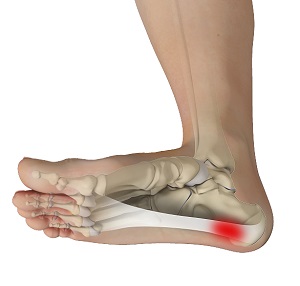
Plantar fasciitis refers to the inflammation of the plantar fascia, a thick band of tissue that is present at the bottom of the foot. It runs from the heel bone to the toes and forms the arch of your foot.
Plantar fasciitis is one of the most common causes of heel pain. It is most often seen in middle-aged men and women, but may also occur in those who are constantly on their feet.
What are the Causes of Plantar Fasciitis?
The plantar fascia functions as a shock absorber and supports the arch of your foot. Excessive pressure over the fascia may strain and tear the tissue, causing heel pain. Repeated overstretching or overuse causes irritation or inflammation of the fascia.
Other risk factors may include:
- Obesity
- Foot arch problems such as flat feet or high arches
- Activities such as long-distance running, ballet and dance aerobics
- Occupations that necessitate walking or standing on hard surfaces for a long period
- Wearing thin-soled shoes or shoes with poor arch support
What are the Symptoms of Plantar Fasciitis?
The most common symptom is stabbing pain on the bottom of the foot, near the heel. You may experience pain when you take your first steps on awakening and it slowly decreases, but may return after standing for a long period of time.
How is Plantar Fasciitis Diagnosed?
Your doctor will examine your foot for signs of flatfoot or high arch, tenderness, swelling, redness, stiffness or tightness of your foot arch. Your doctor may suggest an X-ray or MRI scan to rule out other causes of heel pain such as a stress fracture or pinched nerve.
What are the Treatment Options for Plantar Fasciitis?
Most often, you are effectively treated with the following measures:
- Medications: Your doctor may prescribe non-steroidal anti-inflammatory drugs (NSAIDs) or inject corticosteroids directly into the plantar fascia to reduce the pain and inflammation.
- Rest: Reduce or avoid the activities that worsen the pain.
- Ice: Apply ice packs over a towel on the painful area at least twice a day for 10 to 15 minutes for the first few days.
- Night splints: You may be prescribed night splints to stretch the plantar fascia and allow it to heal.
- Supportive shoes and orthotics: Your doctor may recommend shoes with good support and cushioning. Custom orthotics (shoe inserts) may also be helpful.
- Physical therapy: Your physical therapist may design an exercise program that focuses on stretching your plantar fascia and Achilles tendon, and strengthening the muscles of the lower leg. In addition to exercises, application of athletic tape to support the bottom of your foot may also help relieve symptoms.
- Extracorporeal shock wave therapy: During this procedure, sound waves are targeted on to the painful area to stimulate the healing process.
- Surgery: Occasionally, surgery may be suggested to release the tight plantar fascia.
Why Choose Dr. Rohit Madhav for Plantar Fasciitis in Marylebone, London?
Choosing an experienced foot and ankle specialist can help identify the cause of persistent heel pain and determine an appropriate treatment plan. Dr. Rohit Madhav is a Consultant Orthopaedic and Trauma Surgeon with specialist expertise in foot and ankle conditions, including plantar fasciitis and other causes of heel pain.
Dr. Madhav takes a comprehensive approach to plantar fasciitis, considering your symptoms, physical examination findings, activity level, footwear, and foot structure. When necessary, imaging may be recommended to rule out other causes of heel pain, such as stress fractures or nerve-related conditions.
Most patients with plantar fasciitis can be treated without surgery. Dr. Madhav can discuss appropriate conservative treatment options and, when symptoms remain persistent despite appropriate care, explain whether additional interventions may be suitable.
Why Patients in London Choose Dr. Rohit Madhav
- Specialist expertise in foot and ankle conditions
- Experience assessing plantar fasciitis and other causes of heel pain
- Comprehensive evaluation of persistent foot and heel symptoms
- Individualised treatment plans based on your condition and lifestyle
- Appropriate diagnostic imaging when clinically indicated
- Focus on conservative treatment and rehabilitation where appropriate
- Discussion of further treatment options for persistent symptoms
- Specialist foot and ankle care in Marylebone, Central London
From diagnosis through treatment and recovery, Dr. Madhav provides personalised guidance to help you understand your condition and make informed decisions about your care.
Schedule a consultation in Marylebone, London, to discuss your plantar fasciitis and treatment options.
Plantar Fasciitis FAQs
What causes plantar fasciitis?
Plantar fasciitis can develop when repeated stress places excessive strain on the plantar fascia, the thick band of tissue supporting the arch of the foot. Risk factors can include prolonged standing or walking, running and other repetitive activities, flat feet or high arches, increased body weight, and wearing footwear with inadequate support.
What are the symptoms of plantar fasciitis?
The most common symptom is sharp or stabbing pain underneath the heel or along the bottom of the foot. Pain is often most noticeable during the first few steps after waking or after sitting for an extended period. It may improve with movement but return after prolonged standing or activity.
How is plantar fasciitis diagnosed?
Plantar fasciitis is usually diagnosed through a review of your symptoms and a physical examination of the foot and heel. Your doctor may assess tenderness, foot structure, range of motion, and the tightness of the calf and plantar fascia. Imaging such as an X-ray or MRI may sometimes be recommended to rule out other causes of heel pain.
Can plantar fasciitis be treated without surgery?
Yes. Most cases can be managed without surgery. Treatment may include reducing activities that aggravate symptoms, stretching exercises, physiotherapy, supportive footwear, orthotics, night splints, appropriate pain relief, and other non-surgical treatments. The recommended approach depends on your individual symptoms and circumstances.
How long does plantar fasciitis take to improve?
Plantar fasciitis can take time to settle, and recovery varies between individuals. Consistently following an appropriate treatment and rehabilitation programme can help support improvement. Persistent symptoms may require further assessment to confirm the diagnosis and review your treatment options.
When is surgery considered for plantar fasciitis?
Surgery is generally reserved for selected patients whose symptoms remain significant despite an appropriate course of non-surgical treatment. If surgery is considered, your specialist will discuss the potential benefits, risks, alternatives, and expected rehabilitation before making a treatment decision.
Specialist Plantar Fasciitis Treatment in Marylebone, London
Persistent plantar fasciitis can make every step uncomfortable and interfere with work, exercise, and everyday activities. If heel pain continues despite appropriate self-care or conservative treatment, specialist assessment can help confirm the diagnosis and determine the next steps.
Dr. Rohit Madhav provides specialist assessment and personalised treatment for plantar fasciitis and other foot and ankle conditions in Marylebone, London.
Whether you need guidance with conservative treatment, rehabilitation, or further evaluation for persistent heel pain, Dr. Madhav can help you understand your options and develop a treatment plan suited to your needs.
Contact Dr. Rohit Madhav's Marylebone clinic today to schedule a consultation and take the next step towards relieving plantar fascia pain and restoring comfortable movement.