
Request an Appointment or Give us a call
High Heel Foot Problems in Marylebone, London
Specialist Foot and Ankle Care for Pain and Problems Associated With High Heels
High heels can complement an outfit and change the appearance of your posture, but wearing them frequently or for extended periods can place additional pressure on the feet and ankles. Over time, this may contribute to problems such as forefoot pain, blisters, corns, calluses, bunions, ankle discomfort, and reduced ankle flexibility.
If wearing high heels has resulted in persistent foot or ankle pain, Dr. Rohit Madhav provides specialist foot and ankle assessment in Marylebone, London. As a Consultant Orthopaedic Surgeon specialising in foot and ankle conditions, he can assess your symptoms, identify any underlying condition, and recommend appropriate treatment based on your individual needs.
Whether you are experiencing pain in the ball of your foot, discomfort around your toes, a bunion, or ankle problems associated with footwear, early assessment can help you understand the cause and explore suitable ways to protect your foot health.
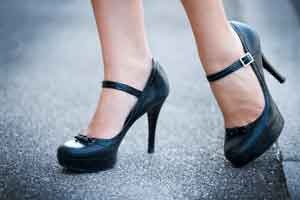
High heels have been worn by many women for years to look taller and nowadays they are commonly worn as part of a fashion statement. Women wearing high heels appear taller with longer legs; however, this causes postural changes which bring a host of health issues when high heels are worn too frequently.
Effects of High Heels
When wearing high heels, your body starts to compensate for the new posture caused due to the bending of the hips and spine. As a result, muscle fatigue and strain occur in the calf, hips, ankles, and other parts of the body resulting in problems such as:
- Foot pain: Continuous use of high heels may cause increased pressure on the balls of your feet resulting in severe foot pain while walking or standing for extended periods of time.
- Unnatural posture: To compensate for the posture while wearing high heels, your lower body leans forward and the upper body leans backwards which creates a stiff and unnatural posture rather than a relaxed one.
- Difficulty walking: Continuous use of high heels will cause walking issues as it is difficult for the foot muscles to work efficiently. This increases the chance of losing your balance and falling while walking.
- Back pain: The normal curvature of your spine acts as a shock absorbent that reduces the pressure on your lower back. When you wear high heels, your spine flattens a bit exerting pressure on your lower back that can result in back pain.
- Hip pain: Wearing high-heel shoes causes contraction of the hip flexors, which in the long term may make the hip out of alignment causing lower back pain and hip pain.
- Irregular shape of the foot: The pressure exerted on the foot may result in the formation of bunions and neuromas on the foot, and irregular shape of your feet.
- Limits the movement of ankles: Due to excessive height of the heels, the calf muscles are in a flexed position and tend to shorten leading to loss of strength and range of motion in the ankles.
- Problems with your toes: The pressure exerted on the toes when wearing high heel shoes can cause corns, blisters and callus formation in the toes.
Steps to Avoid Negative Health Effects due to High Heels
The following steps should be taken into consideration while wearing high heels:
- Avoid wearing high heels for long periods of time.
- Purchase your footwear in the afternoon when your feet are at their largest size.
- Avoid pointed-toe footwear.
- Choose leather insoles to prevent your foot from slipping.
- Always stretch your leg muscles before and after wearing high-heel shoes.
- Do not buy shoes with a heel size more than 2 inches long.
Why Choose Dr. Rohit Madhav for High Heel Foot Problems in Marylebone, London?
Persistent foot pain associated with high heels should not simply be accepted as a normal part of wearing fashionable footwear. Repeated pressure and altered foot positioning can contribute to a range of foot and ankle problems, particularly when high heels are worn frequently.
Dr. Rohit Madhav is a Consultant Orthopaedic and Trauma Surgeon specialising in foot and ankle conditions. He provides comprehensive assessment for patients experiencing foot pain, bunions, forefoot problems, toe conditions, and ankle symptoms that may be associated with footwear.
Dr. Madhav takes the time to understand your symptoms, lifestyle, footwear habits, and activity requirements. Where a specific condition is identified, he can discuss appropriate treatment options, which may include footwear modification and other conservative measures or surgical treatment for selected conditions.
Why Patients in London Choose Dr. Rohit Madhav
- Specialist expertise in foot and ankle conditions
- Comprehensive assessment of foot and ankle pain
- Experience treating conditions such as bunions and forefoot problems
- Individualised treatment recommendations
- Assessment of symptoms affecting active and working lifestyles
- Consideration of non-surgical and surgical treatment options
- Personalised recovery and rehabilitation guidance
- Convenient specialist foot and ankle care in Marylebone, Central London
Whether you wear high heels occasionally or regularly for work or social activities, Dr. Madhav can help you understand how your footwear may be affecting your feet and what steps can be taken to address persistent symptoms.
Schedule a consultation in Marylebone, London, to discuss your foot or ankle symptoms.
High Heels FAQs
Can wearing high heels cause foot pain?
Yes. High heels can increase pressure on the front of the foot and toes, particularly when worn for prolonged periods. This may contribute to discomfort in the ball of the foot, toe pain, blisters, corns, calluses, and other foot problems.
Can high heels cause bunions?
High heels do not necessarily cause bunions on their own, but narrow or pointed footwear can place additional pressure on the toes and may aggravate an existing bunion. Genetics, foot structure, and other factors also play an important role in bunion development.
Can wearing high heels affect the ankles?
High heels alter the position of the ankle and can reduce the range of motion available during walking. They may also make it more difficult to maintain balance, potentially increasing the risk of an ankle injury or fall.
How can I reduce foot pain when wearing high heels?
Consider limiting the amount of time you spend wearing high heels and choosing footwear with adequate room for your toes. Lower or wider heels may place less stress on the forefoot than very high, narrow heels. Taking regular breaks, changing footwear when possible, and stretching the calves and feet may also help reduce discomfort.
Are pointed-toe high heels bad for your feet?
Pointed-toe shoes can compress the toes, particularly when combined with a high heel that shifts body weight towards the front of the foot. Prolonged use may contribute to problems such as corns, calluses, blisters, bunions, and forefoot discomfort.
When should I see a foot and ankle specialist?
Consider specialist assessment if foot or ankle pain persists despite changing footwear or reducing high-heel use, or if you develop a bunion, recurring blisters or corns, persistent toe pain, numbness, swelling, or difficulty walking. A specialist can determine whether an underlying foot or ankle condition requires treatment.
Specialist Foot and Ankle Care in Marylebone, London
You should not have to choose between your lifestyle and comfortable movement. If high heels are contributing to persistent foot or ankle pain, a specialist assessment can help identify the underlying problem and determine what can be done to protect your foot health.
Dr. Rohit Madhav provides specialist assessment and personalised treatment for foot and ankle conditions in Marylebone, London. Whether you are experiencing forefoot pain, bunions, toe problems, ankle discomfort, or another footwear-related concern, he can help you understand your symptoms and explore appropriate treatment options.
Contact Dr. Rohit Madhav's Marylebone clinic today to schedule a consultation and take the next step towards healthier, more comfortable feet.